
The Real Divide on Z2U VPS Isn’t Price. It’s Whether You Know What You’re Buying
People love cheap VPS deals the way people love finding a shortcut that feels like cheating.
I get it. A lower monthly bill makes it easy to feel like you’ve made the smart move. But after seeing enough VPS buyer mistakes, I’ve started thinking about cheap VPS shopping as a kind of cognitive trap. The sticker price looks like the whole story. The hidden costs show up later, usually when you’re already annoyed and don’t have time to deal with them.
That’s what makes Z2U VPS interesting. It’s not just another place to browse vps z2u listings. It’s a test of buyer judgment. If you know how to do server verification, read seller history, and price in the cost of failure, you can come out ahead. If you don’t, you end up paying for the same machine twice: once in money, once in time.
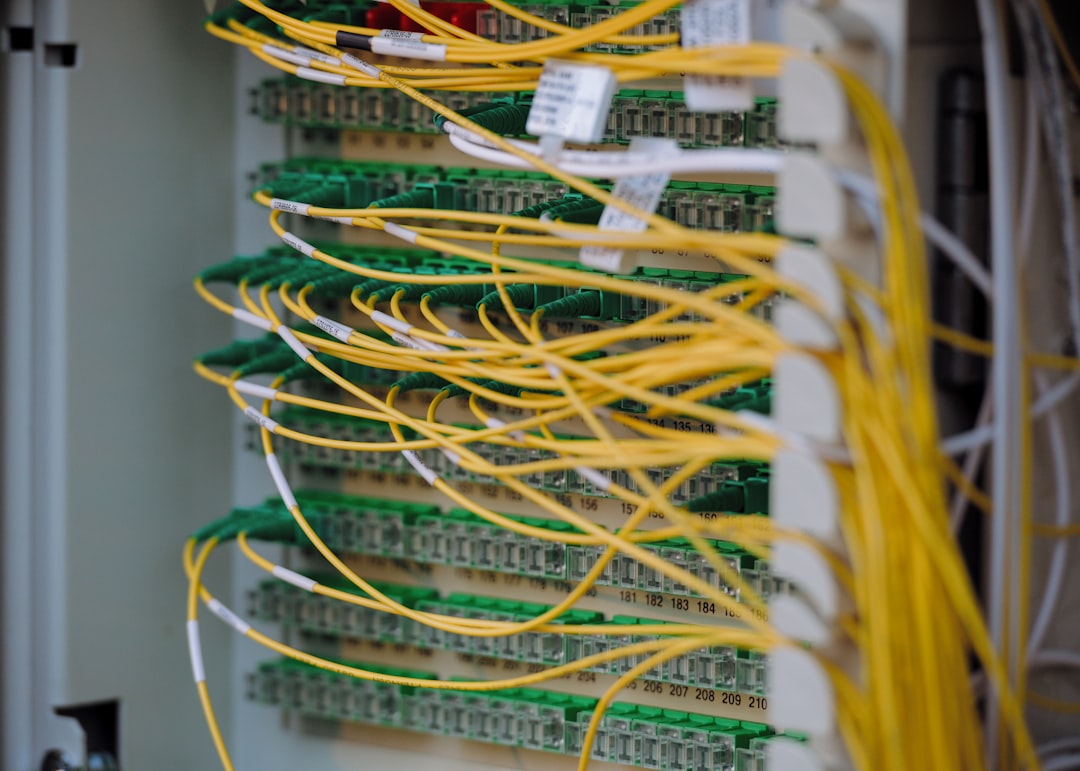
The funny part is that the cheapest option usually wins the emotional fight early. Your brain sees the lower number and relaxes. That’s sunk cost bias and decision fatigue doing their thing. After comparing a dozen listings, a buyer stops wanting truth and starts wanting relief. So they click the one that looks good enough, then spend the next three days learning why “good enough” is a dangerous phrase in hosting.
I’ve watched this happen in the most boring, expensive way possible. Someone grabs a budget VPS, provisions it fast, then starts noticing SSH reconnects failing every few hours. They blame their config. They reboot. They tweak firewall rules. Only later do they realize the node was the problem, not the setup. That’s the part cheap VPS deals never put in the thumbnail.
What smart buyers actually check
A smart buyer doesn’t ask, “Is this the lowest price?” They ask, “What happens if this goes sideways?”
On Z2U VPS, that means checking things most hosting pages hide behind neat little marketing words:
-
Server verification
I don’t mean a vague trust badge. I mean asking what proof exists that the server is real, active, and reachable. Can the seller show fresh screenshots? Can they provide a test IP? Is the machine already provisioned or just “available soon”? If verification feels sloppy, I walk. -
Region consistency
A cheap US-East VPS that pings like it lives on another continent is not a deal. In one test I ran, a Singapore-to-Los Angeles route sat around 175 to 210 ms on a supposedly West Coast node. That’s not a small miss. That’s a clue. -
Disk and network behavior
A quickfiowrite test and a fewpingchecks tell you more than a polished product page ever will. If disk performance falls apart under load or packet loss starts showing up during peak hours, the deal is already leaking value. -
Seller response time
This sounds soft until you need help at 2 a.m. One seller replied in 7 minutes. Another took 11 hours. The second one looked cheaper on paper. In practice, the first one was the real discount.

Here’s the part people skip: on a marketplace like Z2U, you’re not just buying infrastructure. You’re buying a seller’s operational discipline. That’s different from buying directly from a traditional hosting vendor, where the provider and the network are usually one system. On Z2U VPS, the marketplace is only as good as the seller behind the listing. Reputation, responsiveness, and proof matter more here than they do in a standard one-click checkout.
If you want a cleaner comparison, I’d put it this way: Why Smart Buyers Skip the Cheapest VPS Options—and Save More in the End is true because the cheapest listing often shifts the risk onto you. Z2U just makes that transfer harder to ignore.
The hidden math most buyers refuse to do
This is where the real total cost shows up.
A VPS that saves you $4 a month but causes one migration, one evening of debugging, and one missed deploy window is not cheap. It’s expensive in installments.
I’d rather pay $8 more and avoid the following mess:
- migrating a site after a node becomes unstable
- rebuilding SSH keys because the server keeps dropping sessions
- revalidating firewall rules after a seller changes the image or IP
- explaining downtime to a client because the bargain host went quiet
That’s not drama. That’s the invoice of bad judgment.
And this is why people who brag about “finding the cheapest VPS” often sound confident right up until the first outage. Then they turn into forensic historians, trying to reconstruct what happened from half a dashboard and a support ticket that never got answered.
The one question that separates buyers from gamblers
Ask this before paying for any Z2U VPS listing:
What evidence tells me this server is usable today, not just purchasable today?
That question pulls server verification back into the center of the decision. Not promises. Not pretty screenshots. Usable today.
If the seller can show fresh network tests, a believable region match, a clear refund or replacement policy, and a support response pattern that doesn’t feel like a dead mailbox, you may have a real deal.
If they can’t, you’re not buying a VPS. You’re buying uncertainty with a coupon attached.

There’s a social side to this too. Smart buyers get a different kind of status in technical circles. They’re not the loudest bargain hunters. They’re the ones who can say, calmly, “I checked the node, ran a disk test, verified the route, and it still passed.” That sounds boring until you realize boring is what reliability feels like.
And honestly, that’s the line I keep coming back to: cheap is only cheap when the mistake stays small.
For anyone browsing vps z2u listings, that’s the whole game. The platform rewards judgment more than optimism. It rewards buyers who understand that server verification isn’t paperwork, it’s risk control. It rewards people who know a low monthly fee can hide a high emotional price.
If you want the short version, it’s this: smart buyers don’t chase the lowest number. They chase the lowest regret.
That’s why the smartest people in the room often look less excited than everyone else. They’re not missing out. They’re just not paying for cheap mistakes.