Make sense of servers, one useful decision at a time.
The Server Library
From your first VPS to the limits of a shared-CPU plan, these articles turn server questions into practical next steps. Start with a buying decision, investigate a provider or work through an operating task.
Choose a subject.
Buying Guides help frame a choice. Provider Profiles inspect individual offerings. Comparisons explain meaningful differences. Server Tutorials focus on operating the service you choose.
Find the question you came with.
Search a provider name, a concept such as shared CPU, or a task such as backups. If there is no match, use a category to explore the nearest question.
Practical reading, without the scorekeeping.
Each article has a defined question, a source trail where needed and a next step. Provider information is time-sensitive, so follow its source links before making a purchase.

How to choose your first VPS without buying the wrong thing
Start with the application, the operating responsibility and a complete budget before comparing a row of server specifications.
Read guide
The cheap VPS checklist: what belongs in the complete bill?
A low advertised server price can leave out the costs that actually determine your budget. Here is what to check.
Read guide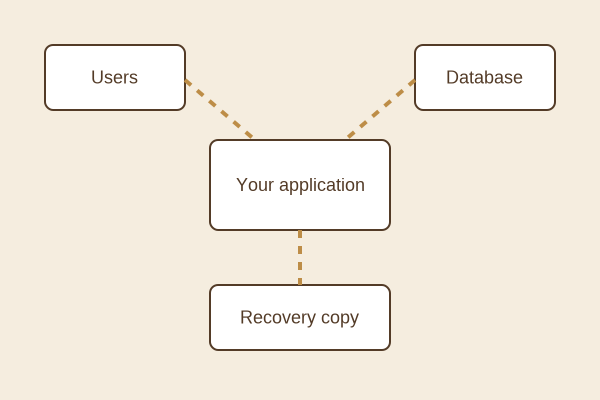
How to choose a server region for a global audience
Place the application around its users and dependencies, then verify actual routing and product availability.
Read guide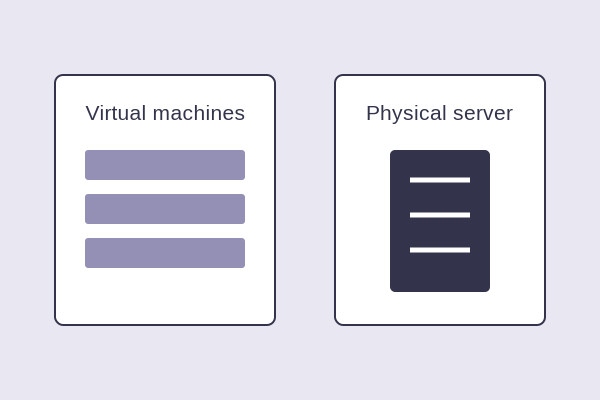
VPS or dedicated server: which kind of control do you need?
Distinguish a virtual machine, dedicated-vCPU compute and an entire physical server before buying more capacity.
Read guide
Hetzner: what to know before you shortlist it
A practical shortlist for cost-conscious self-hosting. Region pricing, paid IPv4 and backup charges change the total. A powered-off server is still billed while it exists.
Read guide
DigitalOcean: what to know before you shortlist it
A developer-oriented route from a VM to a wider app stack. A Droplet is infrastructure you administer. Backup scope, additional services and the chosen billing family need separate attention.
Read guide
Vultr: what to know before you shortlist it
Useful when location and compute-family choice lead the shortlist. An available location does not guarantee every plan there. Shared CPU still needs workload-specific performance validation.
Read guide
Akamai Cloud: what to know before you shortlist it
Clear compute families for growing Linux workloads. Region type, compute generation and family availability matter. A dedicated-vCPU VM is not the same as a bare-metal server.
Read guide
OVHcloud: what to know before you shortlist it
A broader route from a VPS to a separate physical server. Backup scope, location exceptions, licence fees and transfer rules vary. Infrastructure features do not replace application management.
Read guide
Amazon Lightsail: what to know before you shortlist it
Bundled virtual servers for a focused AWS project. IPv4 and IPv6-only bundles differ; extra resources and transfer can add charges. Burstable compute needs workload checks.
Read guide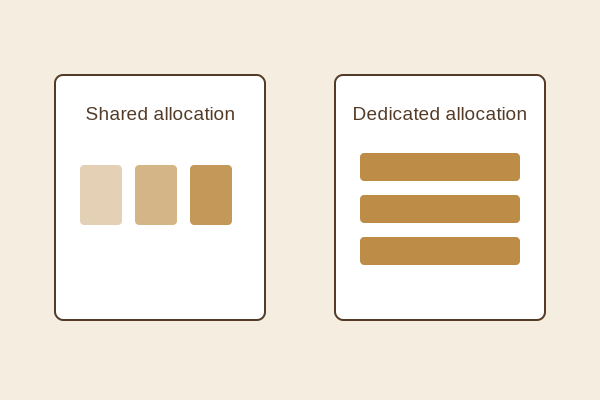
Shared vs dedicated vCPU: what the label does and does not tell you
Understand CPU allocation, sustained workloads and the limits of comparing virtual core counts.
Read guide
Managed or unmanaged VPS: decide who does the work
Turn the word managed into a concrete checklist of responsibilities before selecting a service.
Read guide
Bundled or metered billing: compare the boundaries, not just the price
Understand caps, add-ons, address variants and resource lifecycles before assuming a predictable monthly bill.
Read guide
Your first hour on a new VPS: access, updates and a recovery route
Set up an operating baseline before exposing an application, and protect yourself from locking out the only administrator.
Read guide
Snapshots are useful. A recovery plan needs more.
Check consistency, included disks, retention and restore practice before relying on a server image to protect your application.
Read guide
When should you upgrade a VPS, and what should you measure first?
Find the real bottleneck before buying a bigger plan or changing the CPU allocation model.
Read guide