Match the offer before matching the price
Write down the currency, datacenter, tax treatment, commitment period and renewal conditions of the exact offer. A promotional first term and an ongoing monthly plan are not the same purchase.
Keep performance claims separate. A cheaper resource allocation can suit a modest workload, but a spec table cannot establish the responsiveness of your own application.
Count the surrounding resources
Check IP addressing, software licences, additional disks and backup retention. IPv6-only and public-IPv4 configurations can have different compatibility and billing implications.
For example, Hetzner documents separate primary-IP charges, while Lightsail publishes different address variants of its bundles. These are reasons to inspect the complete setup, not to assume one brand is always cheaper.
Understand traffic and idle time
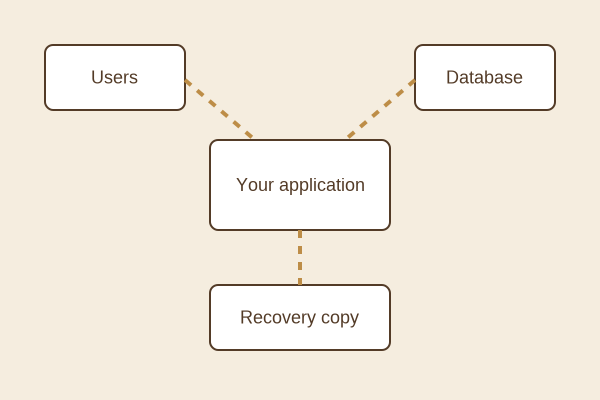
Read what counts toward transfer, which direction is charged and whether regional allowances differ. Include the route between application, database and backup storage in that estimate.
Also ask what ends the charge. Hetzner documents that a cloud server remains billable while it exists, including when it is off. Do not apply a shutdown assumption from one provider to another.
Include recovery and effort
A small plan without a recovery path is not a complete operating budget. Check whether backups include every disk and whether the application needs its own consistent data export.
Before choosing, record the estimated recurring bill and the conditions that could increase it. If those conditions are unclear, use the current provider calculator or terms before committing.