Start with users and dependencies
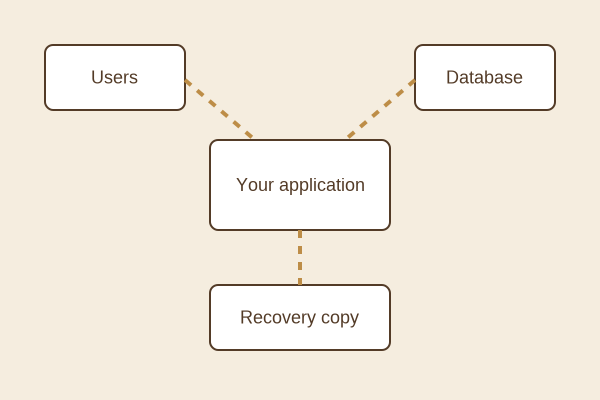
Identify where your active users are and where the application reads or writes data. A server near readers can still spend much of its time waiting on a database in another region.
For a genuinely global audience, decide which interactions must be fast and which assets can be cached. A single region choice cannot make every stateful operation local to every user.
Check the actual product in the region
A provider region directory describes presence, not guaranteed capacity for every plan or attached service. The published Hetzner and DigitalOcean material separates product availability from location, and Lightsail maintains its own supported-region list.
Verify the compute family, image, storage, backup and networking options together. Do not count a future or restricted location as an orderable option.
Test the route, not the map
Geographic distance is a useful starting clue, but the actual network path and application design determine the experience. Measure from relevant user locations with the same kind of request your application serves.
Avoid turning a single ping or a provider marketing claim into a latency guarantee. Document the time, route and workload of any test you use to make a decision.
Keep the operational consequences visible
A region can affect price, transfer, data placement and recovery options. Decide how the application will behave during a region interruption and where the recoverable data will live.
Shortlist a preferred region and a credible alternative. If a needed product is unavailable, change the architecture or candidate deliberately rather than silently switching the workload to an unsuitable location.