Three labels worth separating
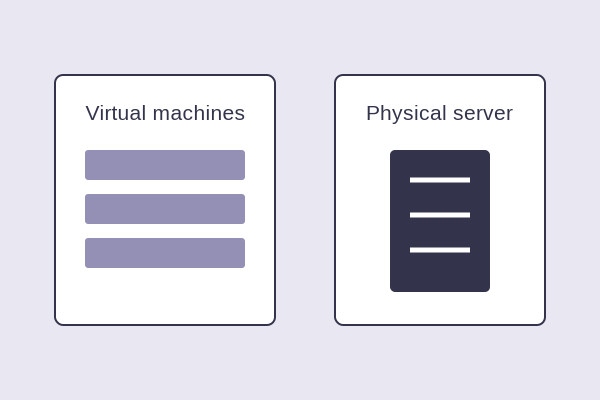
A VPS is a virtual machine. A dedicated-vCPU cloud plan reserves a defined CPU allocation under the provider model, while a bare-metal dedicated server provides a physical machine allocation. Those are different boundaries of control.
Do not use dedicated as a shorthand without checking what is dedicated: CPU time, a host or an entire server. Read the product description and contract.
Choose around the constraint
A modest application may value a small initial allocation and an easy path to another VM. A continuously busy workload may need more predictable CPU access, memory or storage. An application requiring physical-server control introduces a different administration decision.
Start with measured or well-defined requirements. Buying a large server because it looks impressive can add expense and recovery work without fixing the real bottleneck.
Compare the operations, too
Moving to physical infrastructure can change provisioning, hardware recovery and the way you resize. Cloud convenience does not automatically translate into every dedicated-server product.
Check console or recovery access, replacement processes, backup arrangements and migration plans. Keep service redundancy separate from the specifications of a single machine.
A useful next step
Compare a shared or dedicated-vCPU plan with a real bare-metal offer only if both can satisfy the task. Normalize the software, region, support scope and recurring costs before deciding.
The TopServerVPS shortlist includes provider-level routes to these options. It does not claim that a physical server is always faster, cheaper or more reliable for your application.