
The XM Forex VPS Scam No One Talks About
A lot of traders buy an XM Forex VPS the same way they buy insurance. They don’t want to think about it. They want the promise that it will “make things safer” and “run faster.” That’s where the problem starts.
In trading, speed is not a mood. It’s not a brochure word. It’s not even the number a provider puts on a dashboard. Real execution is a chain: your EA, your Forex trading server, the route to the broker, the broker’s own infrastructure, and the market itself. Break any one link, and that shiny low latency VPS starts looking like a very expensive way to donate money through slippage.
What bothers me most about the XM Forex VPS conversation is how often it gets framed as a simple infrastructure upgrade. As if buying a server automatically buys better fills. It doesn’t. If the execution path is shaky, a “fast” VPS can still turn into slower entry, worse exits, and more frustration on volatile candles.

The better question is not, “Is the VPS fast?” It’s, “Fast to where, under what load, and with what broker route?” That’s the part most sales pages leave out.
The real scam: latency numbers that don’t protect your trade
Latency sounds objective. Ping looks scientific. A low number feels like proof. Traders still get burned because low latency in a marketing screenshot is not the same thing as low execution friction in live conditions.
Here’s the ugly part: you can have a low latency VPS and still get slippage if the server is overloaded, the route to the broker is unstable, or the broker’s own matching system is congested. In other words, your “fast” setup can still be slow where it matters most — at order execution.
I’ve seen traders focus on being 2 ms closer to the broker while ignoring the real bottleneck: peak-hour jitter, burst packet loss, and platform freezes during news spikes. That’s like buying a race car and leaving it on bald tires.
This is why articles like Your Forex VPS Is Quietly Turning Fast Signals Into Expensive Slippage hit a nerve. The pain is real. It shows up as missed entries, widened fills, and stops that get clipped harder than expected.
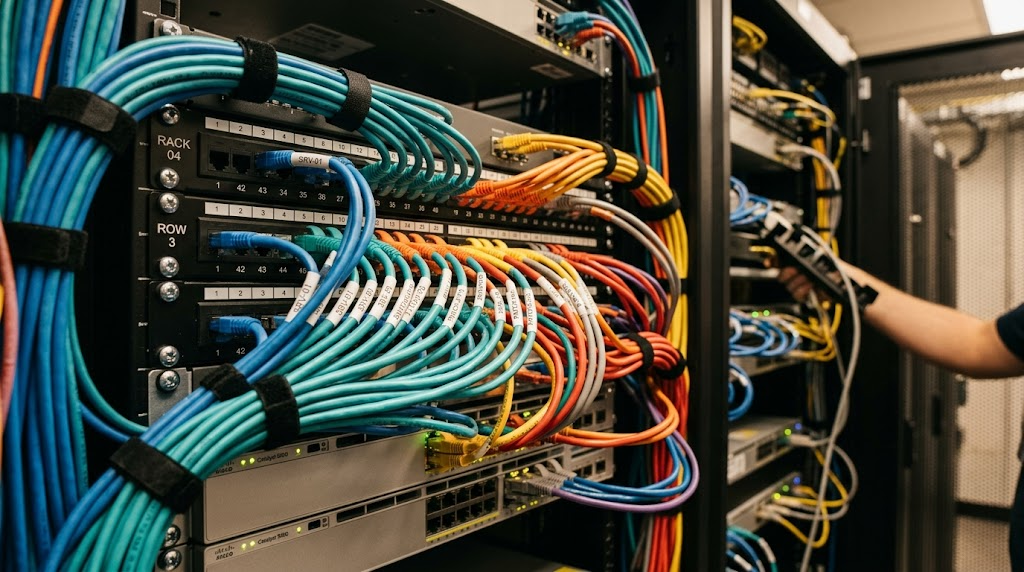
What I would test before trusting any Forex trading server
If you’re evaluating an XM Forex VPS or any low latency VPS in 2026, I’d treat it like a field audit, not a product trial. Test the thing like an irritated trader who expects it to fail.
1) Ping is not enough
Measure round-trip time, yes. But also check:
- jitter under load
- packet loss during peak market hours
- route consistency across sessions
- response time when the market opens
A VPS that averages 2 ms but spikes to 40 ms around London open is not “low latency” in any useful sense.
2) Check execution, not promises
Run the same EA or manual entry set across different sessions:
- calm market
- news release
- session overlap
- weekend reopen
Track:
- order send time
- fill time
- slippage in pips
- rejected orders
- reconnects
That’s the part marketing never puts in bold.
3) Watch resource contention
A cheap VPS can look fine until everyone starts using it at once. Then CPU contention, memory pressure, or oversold virtualization can quietly wreck VPS performance. If your platform lags when multiple charts are open, latency to broker becomes only half the story.
4) Compare against a real benchmark
If a provider claims “low latency,” compare it with another host on the same broker route. Even a small difference in route stability can matter more than a prettier ping number.

The hidden cost traders miss
People think they are paying for speed. What they are actually paying for is consistency.
That’s the difference between a server that looks good once and a Forex trading server that holds up every day. Consistency is what keeps slippage from eating a strategy alive. Consistency is what keeps an EA from behaving beautifully in backtests and badly in live runs.
That is where the scam lives. Not always in outright fraud. More often in the gap between “technically true” and “actually useful.”
A provider can honestly say their XM Forex VPS is low latency to a given endpoint. Fine. But if the server shares crowded hardware, if route quality degrades at New York open, or if the broker side is inconsistent, then the trader still loses. The marketing stays clean. The execution does not.
That’s why I care more about the boring stuff:
- uptime history
- node transparency
- support response time
- peak-hour stability
- route disclosure
Boring wins money.
A quick reality check: what matters more than the spec sheet
Let’s compare the things traders often confuse.
| Factor | Looks Good in Marketing | Actually Matters in Live Trading |
|---|---|---|
| Ping / latency number | Yes | Only partly |
| Hardware specs | Yes | Sometimes |
| Proximity to server | Yes | Yes, but not alone |
| Jitter stability | Rarely mentioned | Absolutely |
| Peak-hour performance | Almost never shown | Crucial |
| Broker route quality | Hidden | Crucial |
| Slippage control | Implicit promise | The real outcome |
If you’re shopping for VPS performance, the table above is the whole game. Everything else is decoration.
Where XM Forex VPS may still make sense
I’m not saying every XM Forex VPS is useless. That would be lazy. In the right setup, a broker-adjacent VPS can help reduce execution delay, especially for:
- EAs that fire often
- scalpers who care about milliseconds
- traders running multiple terminals
- users with unstable home internet
But it only makes sense if the whole path is clean. If the VPS is near the broker but the broker itself is uneven, the benefit shrinks fast. If the VPS is stable but overloaded, you’re still in trouble. If the VPS is good but your strategy is too sensitive to tiny execution differences, you’ll still feel slippage.
So the question is not, “Is it a good VPS?”
It’s, “Is it the right VPS for this broker, this strategy, and this hour of the day?”
That’s a harder question. It’s also the only one that matters.

My recommendation after testing this way
If you’re deciding whether to use an XM Forex VPS in 2026, I’d put it in the “acceptable only after verification” bucket.
Use it if:
- you can test real execution, not just ping
- the broker route is transparent
- peak-hour stability is documented
- your strategy benefits from lower delay
- you’ve compared it against at least one alternate host
Skip it if:
- the provider only sells you latency screenshots
- support can’t explain route placement
- performance claims are vague
- the VPS is shared too aggressively
- you trade around news and need stability more than a pretty millisecond number
If you want a deeper look at how “fast” setups quietly create losses, The XM Forex VPS Scam No One Talks About: How a “Low-Latency” Server Quietly Turns Into Slippage on Every Trade is basically the same warning from a slightly different angle. Different title, same core lesson: execution beats advertising.
The traders who stay profitable long term are usually the ones who stop worshipping specs and start auditing outcomes. That’s the real edge. Not owning a “premium” server. Knowing whether it actually helps your trades survive contact with the market.