
The part nobody says out loud
A lot of people think they move to a VPS because they “need more server space.”
That’s not really why.
They move because they’re tired of living inside someone else’s rules. Shared hosting puts a hard cap on what you can do. Managed platforms hide the controls. Support tickets take hours, sometimes days, and often come back with some version of “we can’t help with that configuration.” One plugin update breaks PHP. One traffic spike gets you throttled. One security policy or account review, and your site is suddenly in timeout jail.
That’s the part that hits hard: you don’t own the experience. You’re renting permission.
A VPS changes the tone completely. Not because it’s flashy. Not because it sounds enterprise. Because it gives you server control. You can restart the box yourself. Swap out the stack. Set the limits. Break things, fix them, learn from them. That’s what makes VPS hosting feel different.

If you want the straight answer to what does a VPS do, here it is: it gives you a private slice of a machine with its own operating system, your own root access, and far fewer strangers interfering with performance. In plain English, it lets you stop asking permission for every meaningful change.
For a lot of people, that’s the real upgrade.
Why shared hosting starts feeling like a trap
Shared hosting works fine until your site stops being a hobby.
At first it looks easy: cheap plan, one-click setup, maybe a WordPress install and a mailbox or two. Then the cracks show. Another site on the same server gets hammered, and your pages slow down. Your database gets sluggish. Your deployment fails because the environment won’t let you install what you need. You ask support for help and get a polite version of “no.”
That’s when the frustration starts. Not because the server is slow, but because the rules are hidden.
A VPS gives you hosting independence in the most practical sense: you can make decisions without waiting for a gatekeeper. You’re not stuck negotiating with a platform every time your project grows up.
If you want a longer version of that argument, I wrote more on it here: VPS Is Not a Luxury — It’s What You Buy When You Stop Tolerating Other People’s Limits.

What a VPS actually changes
People talk about VPS hosting as if it just means “more power.” That’s too vague.
The real shift is simpler:
- You get your own environment instead of a crowded one.
- You can choose the OS, web server, database, runtime, and security tools.
- You can tune performance instead of hoping the platform behaves.
- You can automate deployments the way you want.
- You can rebuild the machine if needed without asking anyone for permission.
That’s why developers, indie founders, and small teams move. Not to show off. To stop being fragile.
Here’s the blunt version: a VPS doesn’t just host your site. It hosts your decisions.
That changes the whole relationship with your infrastructure.
The moment most people realize they need one
It usually shows up after a small disaster.
A plugin install kills the site because the environment is too locked down.
A scheduled job fails and nobody can explain why.
A client’s traffic jumps and your cheap plan folds under load.
You need SSH access, but the control panel keeps turning everything into buttons and hope.
You ask support whether you can change a config file and they tell you it’s “not supported.”
That’s the breaking point.
Not because you suddenly became a systems engineer. Because you got tired of building on ground you can’t inspect.
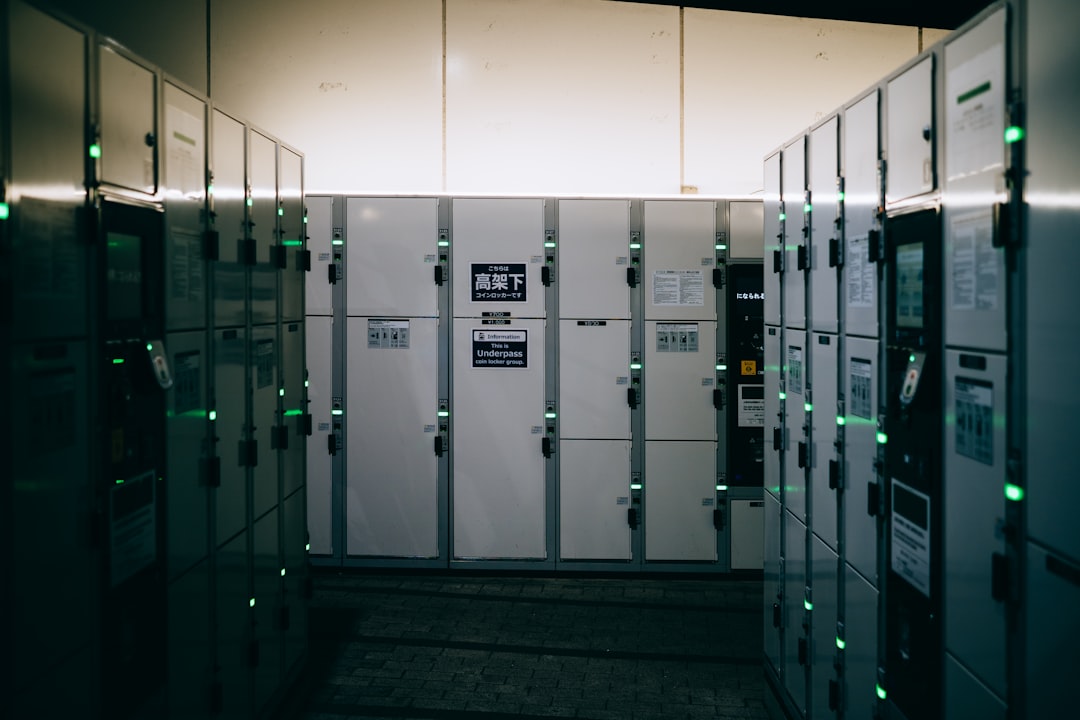
This is where VPS hosting earns its keep. It gives you a box you can actually reason about. If a service is down, you can check logs. If a port is blocked, you can open it. If the app needs a different runtime, you can install it. If you want to isolate workloads, you can do it.
That kind of control sounds technical, but emotionally it’s simple: fewer surprises.
VPS vs shared hosting: the difference in one table
| Factor | Shared Hosting | VPS |
|---|---|---|
| Root access | No | Yes |
| Resource isolation | Weak | Much stronger |
| Custom software | Limited | Flexible |
| Performance stability | Often variable | More predictable |
| Debugging depth | Shallow | Full access to logs and system tools |
| Security customization | Minimal | High |
| Best for | Small, simple sites | Projects that need control and room to grow |
The important line isn’t “VPS is faster.” Sometimes it is, sometimes it isn’t. The more honest claim is: VPS gives you a place where your growth doesn’t have to ask permission.
That’s why the move feels less like upgrading storage and more like stepping out of someone else’s living room.
A practical 5-step way to move without making a mess
If you’re moving because you’re done being boxed in, don’t rush it. A sloppy migration creates a new kind of pain.
-
List what your site actually needs.
Don’t guess. Check traffic, RAM use, database size, cron jobs, and any special runtime requirements. -
Pick a VPS size based on current load, not fantasy growth.
A small VPS is fine for many sites. If you’re running WordPress, a small app, or a few services, start modest and scale later. -
Clone the site before touching production.
Use a staging copy or backup snapshot. Test login, forms, payments, and email delivery. -
Move DNS only after the new server proves itself.
If you switch too early, you’ll be debugging in public. -
Watch logs for the first 24–48 hours.
That’s where you catch bad permissions, PHP mismatches, database timeouts, and certificate issues.
Common mistakes are boring, but expensive:
- Choosing a VPS that’s too small and calling it “bad hosting”
- Migrating without a full backup
- Forgetting firewall rules
- Assuming email will “just work”
- Not testing SSL, cron, or cache behavior
A VPS is freedom, sure. It’s also responsibility. That trade is the whole point.

What a VPS does not solve
This part matters, because a lot of people buy server control hoping it will fix everything.
It won’t.
A VPS does not automatically make your site fast if your code is bloated.
It does not fix a broken theme, an inefficient query, or a bad deployment process.
It does not replace backups, monitoring, or patching.
It does not make you immune to bad decisions.
It does not save you if you don’t know how to manage basic maintenance.
So if you hate troubleshooting, hate logs, and want zero operational responsibility, a VPS may not be your next move yet.
That’s the honest part most sales copy skips. VPS hosting is for people who are ready to own the consequences of their setup, not just enjoy the upside.
Who should move now
You’ll probably feel the difference fast if you are:
- Running a site that keeps outgrowing shared hosting
- Tired of “not supported” replies
- Managing multiple projects and want cleaner isolation
- Building apps that need SSH, cron, custom packages, or background workers
- Sick of platforms deciding your limits for you
If that sounds like you, a VPS is less of a luxury and more of a boundary. It draws a line between “my project exists here” and “my project is allowed to exist on its own terms.”
That’s why the move lands so hard. It’s not about buying server space. It’s about ending the habit of dependency.
And if you want to put it as plainly as possible, here’s the sentence people remember:
A VPS is what you buy when you stop mistaking convenience for control.
That’s the whole story.