
The small mistake that turns into a big travel bill
I once watched a friend book a trip to “VPS” without checking what VPS actually stood for. He was certain he had the right place. The confirmation email looked fine. The date looked fine. The price looked fine. The problem was the airport.
That’s where the trouble starts: airport-code mistakes usually happen because people assume, not because they can’t type. Travel systems reward speed. They make it easy to click through, feel settled, and miss the one detail that matters most until you’re standing in the wrong place with a boarding pass that can’t help you.

If you’re doing a VPS airport code check, treat it as a real risk check, not a trivia exercise. VPS airport code usually refers to Destin-Fort Walton Beach Airport in Florida, but the lesson applies to any code. A wrong airport can mean extra driving, a missed connection, a rebooking fee, or the awkward moment when you have to admit you booked the wrong place.
1) Verify the code against the city, not just the letters
This is the step people skip because it feels too basic. It isn’t.
A code can look right and still point to the wrong airport. Before you book, connect the code to the actual city and airport name. For VPS airport, you want the airport name to match the trip you planned, not just the three letters on the screen.
A good rule of thumb: the airport code is not a shortcut. It’s a boundary. If the boundary is wrong, the rest of the trip gets expensive fast.
Use this quick airport code check:
- Type the code into a search engine or flight site.
- Read the full airport name, not just the code.
- Confirm the city and state.
- Check whether the airport serves your real destination or only the nearest major area.
- If the airport name surprises you, stop and compare again.
A lot of travelers realize the problem only after a bad VPS flight lookup, when they find out the airport sits in a different part of the coast than they expected. That “close enough” feeling is how people end up paying for a rental car they never planned on.
2) Compare the airport name with the hotel or meeting location
This is where planning mistakes hide. You can have the correct VPS airport code and still make the wrong trip decision if your hotel, resort, office, or event is far from the airport.
So check distance, not just identity.
Ask:
- Is the airport actually close to where I need to be?
- Will I need a shuttle, rideshare, or rental car?
- Is there another airport that’s farther away but cheaper overall?
A traveler looking at VPS airport might see a low fare and think they’ve found a deal. Then they realize the hotel is on a different stretch of road and the savings disappear into transportation costs. That isn’t a flight problem. It’s a trip-planning problem.
If you want a deeper refresher on how the code itself works, What Is VPS Airport Code? is worth skimming before you book.

3) Check the airport against the airline’s route, not a random booking site
Not every search result handles airport details well. Some booking sites flatten things in a way that makes one airport look interchangeable with another. That’s how confusion starts.
When you do a VPS flight lookup, compare at least two sources:
- the airline’s own website
- a major flight search tool
- the airport’s official site
If all three list the same airport name, you’re in good shape. If one of them shows a different nearby airport, slow down. The cheapest fare is not always the cheapest trip.
I’d also cross-check your itinerary against an article like 5 VPS Airport Code Mistakes That Quietly Cost Travelers Time, Money, and the Whole Trip. It matches the kind of error people make when they move too fast and trust the first result they see.
4) Make sure the airport code matches the trip type
This one sounds simple, but it catches experienced travelers too.
A business trip, a beach trip, a family visit, and a layover all run on different priorities. You might accept a longer drive for a vacation. You probably won’t accept it for a same-day meeting. So the “right” airport depends on what the trip is for.
Use this rule:
- Vacation: convenience matters, but some extra ground travel may be fine.
- Business: prioritize punctuality and simple logistics.
- Family travel: pay attention to baggage handling, rental car access, and arrival timing.
- Short trips: remove ambiguity completely.
That’s why airport confusion is often really a trip-design mistake. The code may be correct, but the logistics can still be wrong. A VPS airport code check should answer one question clearly: does this airport fit the way I’m traveling?
5) Do a final airport code check before you leave home
This is the cheapest insurance you can buy.
The night before departure, open your booking and verify:
- Airport code
- Full airport name
- Terminal or departure terminal
- City and state
- Ground transportation plan
Do it even if you already checked it three times. Travel fatigue creates stupid mistakes. I’ve seen people show up at the right airline counter with the wrong airport in their heads. That’s a rough way to start a trip.
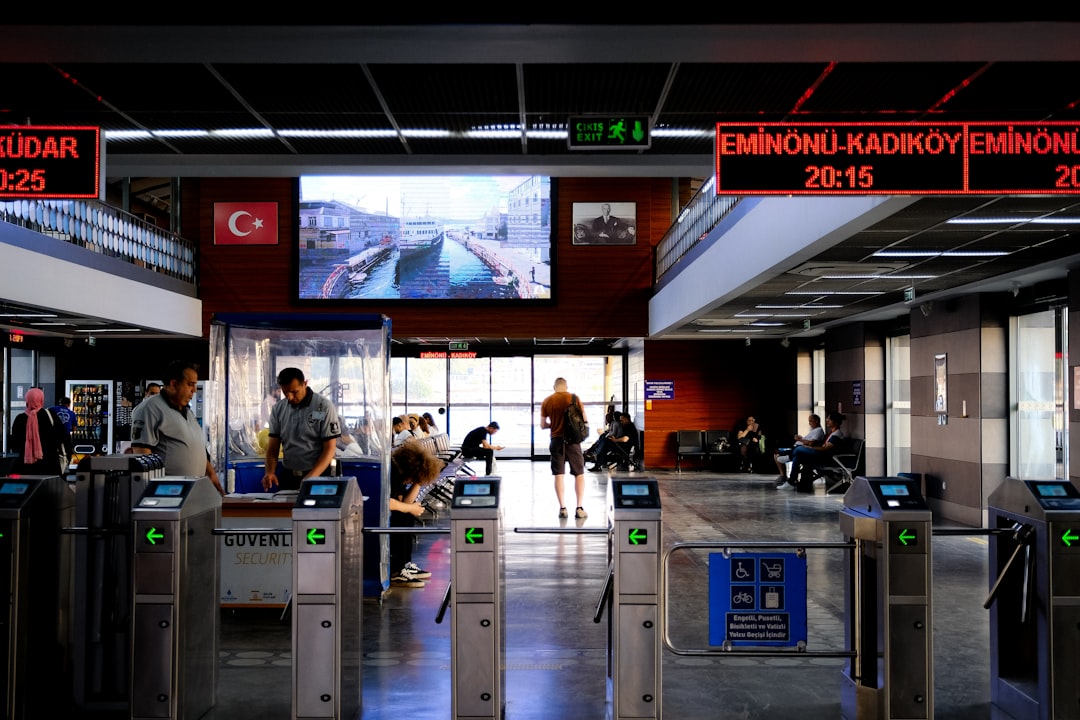
If your itinerary includes VPS airport, this final check matters even more when you’re connecting, arriving late, or depending on someone else for a ride. One wrong code can turn into two annoyed people and a missed curbside pickup.
For readers who like a broader pre-trip system, VPS Setup Checklist for Beginners is a useful template-style read, even if you’re adapting the mindset rather than the exact steps.
A quick way to stop airport-code mistakes before they start
Here’s the short version I’d use in real life:
- Match the code to the full airport name
- Match the airport to the city you actually need
- Match the airport to your ground transportation
- Match the airport to the type of trip
- Match the booking screen to the airline’s own site
That’s the whole process.
People who avoid expensive airport confusion are not geniuses. They just refuse to let a three-letter code make decisions for them. They verify first, book second, and leave third. That order saves money, saves face, and keeps you out of the classic “I thought VPS meant something else” conversation at 6:00 a.m. in the wrong terminal.