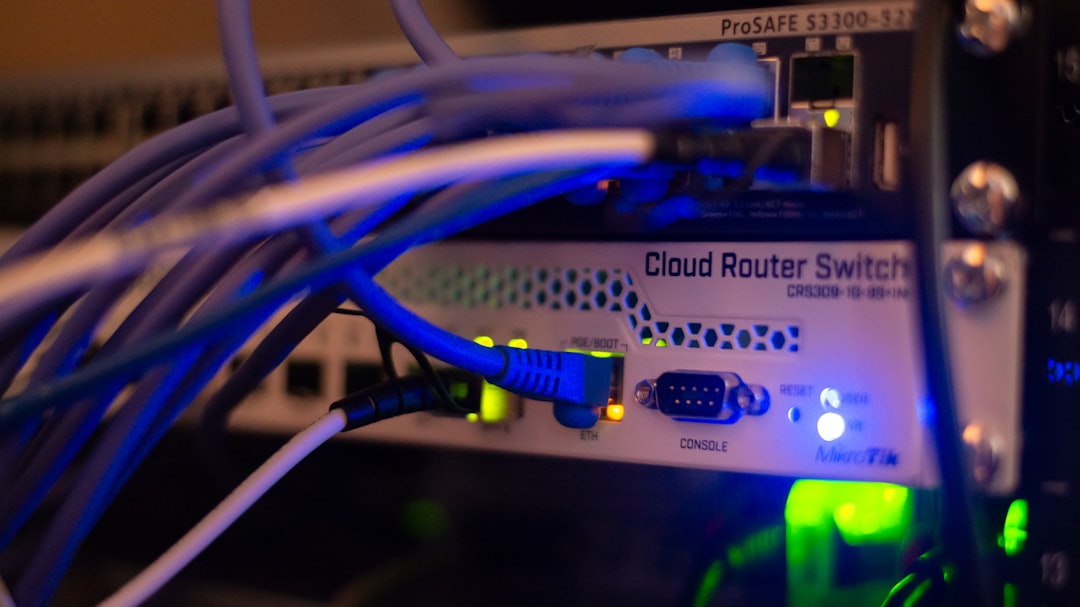
The Private VPS Myth: What You Own and What the Provider Still Controls
A VPS feels private because it gives you a clean dashboard, a root login, and a neat little label that says “isolated.” That’s the sales pitch. What you actually get is a rented slice of someone else’s machine, on someone else’s network, under someone else’s pricing rules, with someone else holding the kill switch.
I’ve watched people treat vps hosting as if they’d bought a small fortress. Then the first renewal arrives, the backup restore fee appears, support asks for verification, and the migration window gets delayed because the provider has to approve something on their end. The fortress starts to look more like an apartment building, with a landlord who can enter the building, raise the rent, and decide whether the elevator runs.
That’s what most buyers miss. private server control is not measured by whether you can SSH in. It’s measured by who controls your failure modes, your exit path, and the bill when something breaks.

What Buyers Think They Bought
Most people think they bought three things:
- Full control.
- Predictable cost.
- Privacy.
In practice, they often get a softer version of all three.
You may control the OS, but not the host node. You may control your app, but not the maintenance window. You may control your files, but not the snapshot policy or the restore price. That gap is where vendor lock-in starts to take hold.
The clearest way to see it is to compare the promise with the reality.
| What buyers think they own | What the provider actually controls |
|---|---|
| “My server” | The physical node, storage layer, and hypervisor |
| “My uptime” | Maintenance windows, host-level failures, network routing |
| “My backups” | Retention limits, restore fees, access rules |
| “My migration path” | Export speed, bandwidth caps, support approval |
| “My budget” | Renewal rates, add-on charges, overage billing |
That table is the whole business. The provider doesn’t need to own your business to control your pain.
The Hidden Costs Don’t Feel Hidden Until It’s Too Late
The first trap is pricing. Promo rates are usually honest enough to be legal and sneaky enough to mislead. You get a low monthly number for year one, then renewal hits hard. Add IPv4 charges, snapshot fees, extra bandwidth, paid support, and restore costs, and the “cheap VPS” turns into a carefully engineered bill.
This is one reason I tell people to read Is VPS Hosting Worth It? with a pencil in hand, not a sales mindset. The question is never only “Is it affordable today?” The real question is “What happens when the bill stops flattering me?”
A bad example: a provider advertises a generous backup feature, but restoring a single image costs extra. That’s not a backup strategy. That’s a toll booth with better branding.

VPS Performance Is Often Fine Right Up Until It Isn’t
Here’s the hardest part: vps performance can look excellent in light testing and still break down under real load. CPU benchmarks look clean. Ping is acceptable. The control panel feels modern. Then your database starts doing actual work, disk I/O slows to a crawl, and your “fast” plan becomes sluggish at the exact moment you need it most.
The reason is simple: many providers oversell the hardware or bury the bottleneck in the storage layer. That means your app is not really limited by what you paid for on the page. It’s limited by how crowded the node is at 2:00 p.m. on a Tuesday.
If you want a practical lens on this, the warning signs in Avoid These VPS Setup Mistakes also line up with performance failures. A lot of “slow VPS” complaints are setup issues, but a lot are provider issues dressed up as configuration problems.
What I’d test before trusting a plan:
- sustained disk write speed, not just a quick burst
- CPU performance during peak hours, not midnight
- network consistency across regions
- snapshot and restore speed under stress
- how the node behaves when the provider is doing maintenance
If a vendor won’t answer those questions clearly, that’s already an answer.
The Quietest Form of Control Is the Escape Hatch
The most expensive mistake is believing you can leave easily.
This is where vendor lock-in gets clever. It rarely shows up as a hard wall. It shows up as friction: slow support, limited export tools, proprietary images, manual approval for migration, or a backup format that only works inside the same ecosystem. You can leave. It just costs time, stress, and maybe a weekend you never planned to spend on it.
A lot of people only discover this when they hit a login problem or a broken boot state and realize they depend on support to do what they assumed root access would solve. If that sounds familiar, The Hidden Reason Your VPS Login Fails Even When Everything Looks Right is worth reading. The larger lesson is not the login itself. It’s the fact that “your” machine can still be gated by someone else’s process.
A Better Way to Judge a VPS
Forget the polished copy for a minute. Judge the service by control points:
- Can you export everything without opening a ticket?
- Can you restore a backup without paying a surprise fee?
- Can you see real resource limits, not vague marketing promises?
- Can you move away in one day, not one month?
- Can you survive a price increase without redesigning your stack?
That last one matters more than people like to admit. A provider that looks great at launch but becomes painful at renewal is not a bargain. It’s frustration delayed.
If you’re still in the selection phase, VPS Setup Checklist for Beginners can help you avoid the obvious misses, but I’d add one more checklist item that most beginners skip: “How trapped will I be if this relationship goes bad?”

My Rule of Thumb
I don’t call a VPS “private” unless three things are true:
- I can leave without begging.
- I can restore without getting nickeled and dimed.
- I can predict the bill after the promo ends.
If those three are shaky, then what you have is not real private server control. It’s managed dependence with a nice dashboard.
That doesn’t mean vps hosting is bad. It means the category should be understood honestly. A VPS is useful, flexible, and often the right middle ground. But it is not ownership in the old-school sense. It’s a negotiated boundary. The provider keeps the deeper layer of control, and the buyer keeps the parts that are easiest to see.
That’s the quiet system underneath the whole business.
What I’d Do If I Were Buying Today
I’d treat the purchase like a stress test, not a shopping cart decision.
- Check renewal pricing before anything else.
- Ask how backups are stored and what restore costs.
- Test disk I/O, not just CPU.
- Confirm export and migration options in writing.
- Read the support policy like it’s a contract, because it is.
- Keep one independent backup outside the provider.
Do that, and you reduce the chance of waking up one morning to discover your “private” server is really just a polite lease with sharp edges.