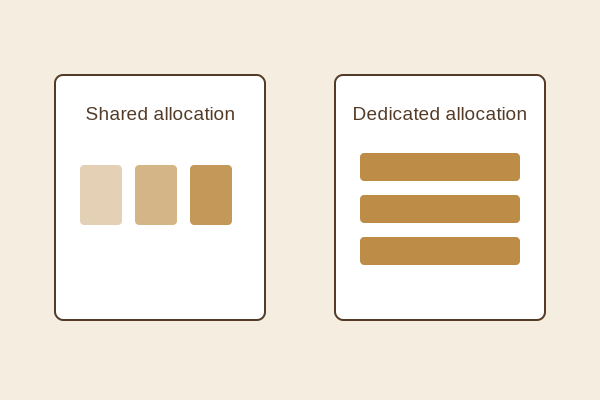
A bundle has a defined boundary
A bundled offer groups a particular set of resources. It can make an estimate easier, but it does not include everything an application might consume.
Lightsail, for example, publishes bundles with compute, disk and transfer conditions and separates address variants. Read the bundle contents before extrapolating from a single displayed amount.
A cap is not the whole account bill
Some resources accrue hourly charges up to a monthly server cap. The cap belongs to that resource and its stated conditions, not necessarily to every IP, backup or service on the account.
Hetzner documents this distinction through its server and primary-IP billing. DigitalOcean publishes different plan-family conditions. Compare the actual family instead of assuming a historical pricing rule still applies.
Follow the resource lifecycle
Understand when billing begins, what happens when an instance is stopped and what remains after a resource is removed. Storage, addresses and snapshots can have their own lifecycles.
Plan an occasional-use project around the documented rules. Do not treat shutting down the operating system as proof that the bill has ended.
Build one equivalent estimate
Write the expected normal month, the extra resources and the conditions that could exceed the estimate. Keep currency, taxes, region and commitment period explicit.
For a longer commitment, revisit the current pricing and terms at the provider. A source-check date is honest context, not a promise of a live quote.